
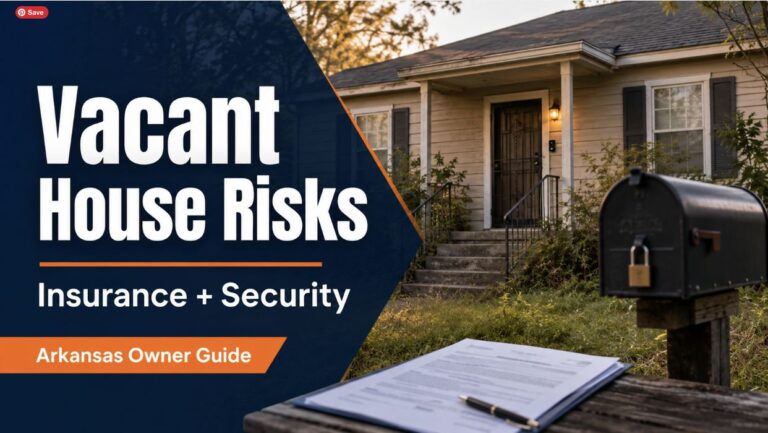
Why A Vacant House Can Become Risky
A vacant house is not automatically a crisis.
But it does need a different plan than a house someone lives in every day.
When a property is empty, small problems can sit unnoticed. A broken window may not be repaired quickly. A leak may run for days. Mail may pile up. Grass may get tall. People may notice the house is not being checked. An insurance company may see the property differently than it did when someone lived there.
That is why vacant-house risk is usually a mix of practical issues:
- insurance coverage
- security
- water and utility problems
- exterior condition
- code complaints
- personal property left inside
- liability
- sale timing
If the house has already become hard to manage, the goal is not to panic. The goal is to understand the risks before they grow.
Insurance Is The First Call
Many homeowners assume their normal homeowners insurance works the same way after a house becomes vacant.
That can be a dangerous assumption.
The National Association of Insurance Commissioners explains that homeowners insurance generally protects the structure, personal belongings, and liability for covered events, but actual coverage depends on the policy terms. Vacant or unoccupied status can change how an insurer views risk.
Insurance companies often treat an occupied home, an unoccupied home, and a vacant home differently. Some policies limit or exclude certain coverage after a property has been empty for a period of time. The exact threshold depends on the policy and insurer.
Before leaving the house empty, ask your agent:
- Is the property considered vacant or unoccupied?
- Does the current policy still apply?
- Are theft, vandalism, fire, water damage, and liability covered?
- Does someone need to inspect the property regularly?
- Should utilities stay on?
- Is a vacant-home policy or endorsement needed?
- Does the mortgage company have requirements?
Do not guess. A short call now can prevent a painful surprise later.
Security Risks Are Usually Practical
Most vacant-house security problems are not dramatic. They are practical.
A property can look unmanaged when:
- grass is tall
- mail or notices pile up
- trash sits outside
- windows are broken
- porch lights never change
- gates stay open
- blinds are damaged
- doors do not latch
- sheds or garages are open
That can attract attention. It can also make neighbors more likely to complain because the house starts affecting the street.
If it is safe, walk the outside and check:
- front, side, and back doors
- garage doors
- crawlspace access
- windows
- gates and fences
- sheds and outbuildings
- broken glass
- signs that someone entered
You may not need an expensive system. Sometimes the best first step is changing locks, securing obvious openings, keeping the yard maintained, and having someone check the house regularly.
Water And Utility Problems Can Get Expensive
Water damage is one of the biggest vacant-house risks because nobody may notice it quickly.
Common issues include:
- small roof leaks
- plumbing leaks
- water heater problems
- frozen or burst pipes
- HVAC or humidity issues
- appliance supply-line leaks
- crawlspace moisture
- mold concerns
Turning utilities off may reduce some costs, but it can also create other problems depending on the house, season, plumbing, HVAC, security system, and moisture risk.
Leaving utilities on may help with lights, temperature control, inspections, and preventing certain weather-related problems. Turning utilities off may be safer when there are active leaks, unsafe electrical issues, or a house that will not be shown traditionally.
There is not one answer for every house. The right move depends on the property condition and the sale plan.
If the house already has moisture or leak history, read our guide on selling a house with water damage in Arkansas before assuming the issue is minor.
Code And Neighbor Complaints Can Add Pressure
Vacant houses can become visible to the city or neighbors when the exterior starts slipping.
The City of Little Rock's Code Enforcement Division lists issues such as trash, high grass and weeds, overgrown lots, illegal dumping, graffiti, vacant unsecured residential structures, and dilapidated structures among the types of concerns it investigates.
That does not mean every vacant house has a code issue.
It means visible neglect can become more than cosmetic if the property sits too long.
To reduce that risk, keep an eye on:
- mowing
- trash outside
- broken windows
- open doors
- unsafe steps or porches
- dumped items
- fallen limbs
- notices taped to the door
- neighbor concerns
If a notice already exists, do not ignore it. Ask what needs to happen, what timeline applies, and whether the issue changes your sell/hold/repair decision.
Liability Risk Matters Too
Vacant houses can create liability concerns because unsafe conditions may sit longer.
Examples include:
- broken steps
- loose handrails
- open holes
- broken glass
- unstable decks
- falling limbs
- unsecured pools
- exposed wiring
- unsecured outbuildings
If someone gets hurt, the question of insurance, property condition, and responsibility may become more complicated.
That does not mean you need to renovate the house. It does mean obvious hazards should be taken seriously, especially if contractors, family members, neighbors, buyers, or others may enter the property.
Belongings Inside Can Change The Risk
If a vacant house is full of belongings, the risk picture changes.
Items inside can:
- hide leaks or damage
- block access to rooms
- make inspections harder
- attract break-ins if valuables are visible
- create fire or pest concerns
- slow down closing
- make family decisions harder
You may not have to empty everything before selling, but you should know what is there. At minimum, check for personal records, valuables, hazardous items, family keepsakes, and anything that should not be left behind.
If cleanout is the bigger issue, read our guide on leaving belongings behind when selling a house in Arkansas.
When Holding The House Makes Sense
Keeping the house may be the right choice if:
- insurance is handled
- the property is secure
- utilities and maintenance are manageable
- someone can check it regularly
- repair costs are realistic
- the family has a clear plan
- market timing favors waiting
For some owners, a vacant house is manageable. It may just need better oversight.
When Selling As-Is May Make More Sense
Selling as-is may be worth comparing when:
- the house is sitting empty with no clear plan
- insurance coverage is uncertain
- repairs are adding up
- cleanout feels overwhelming
- the owner lives out of town
- code notices or neighbor complaints are starting
- security issues keep coming up
- family members are tired of managing it
- the property needs more work than anyone wants to take on
If the broader issue is that the property is vacant, unwanted, or hard to maintain, the main hub is our page on how to sell a vacant or unwanted house in Central Arkansas.
What To Gather Before You Decide
Before choosing a path, gather:
- insurance policy information
- mortgage or lien information
- property tax status
- utility status
- photos of the current condition
- notes about water, roof, HVAC, or security issues
- any city or code notices
- keys and access details
- names of people with authority to make decisions
- repair estimates if you already have them
You do not need every answer before asking questions. But having the basics organized makes it easier to compare holding, repairing, listing, renting, or selling as-is.
How Paranova Can Help
Paranova Property Buyers helps Central Arkansas homeowners understand their options when the house has become a problem.
If you have a vacant house in Little Rock, North Little Rock, Conway, Benton, Bryant, Sherwood, Maumelle, Jacksonville, Cabot, Hot Springs, or a nearby Central Arkansas market, Andrew can look at the property as-is and talk through whether a fair cash offer makes sense.
You do not have to make every repair first. You do not have to clean out every room first. You also do not have to know whether selling is the right answer before starting the conversation.
The goal is to compare the real options calmly and choose the path that fits the house, the timeline, and the risk.