Clear, plain-language explanation
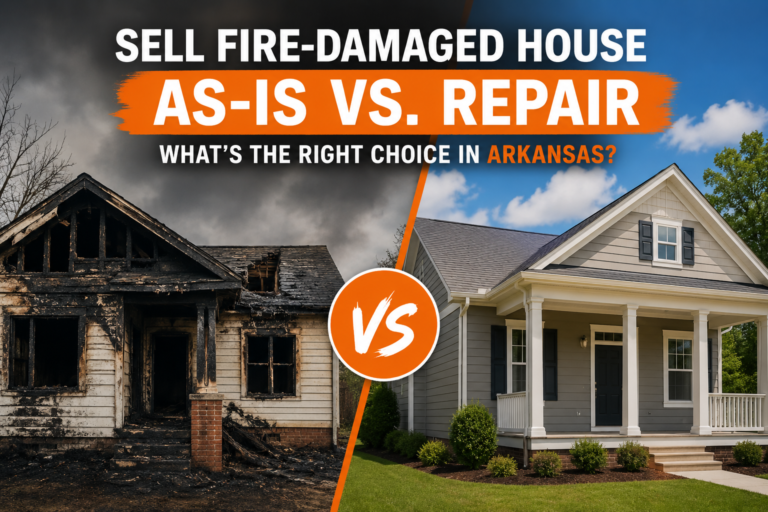
You’ve already dealt with a lot. The big practical questions now are: how much will repairs cost, how long will they take, and how much more will you get for the house if it’s repaired? Answer those and you can choose.
Think about three realities here:
- Safety and habitability. If the house isn’t safe to enter, you can’t show it to buyers easily. That alone can make selling as-is more realistic.
- Repair costs vs. price gain. Some repairs—fresh paint, flooring, cosmetic work—can be low-cost and appealing to typical buyers. Major structural, electrical, or roof issues are expensive and limit the pool of buyers unless fixed.
- Buyer types. Retail buyers (families, owner-occupants) usually pay more but want move-in-ready homes. Investors and some local buyers accept risk and will pay less, but they can close on an as-is house without the headache of managing contractors.
In Little Rock and surrounding areas, rehab costs and buyer demand vary by neighborhood. A modest cosmetic job in a desirable area may recoup costs easily. In weaker neighborhoods or for properties with heavy smoke, structural damage, or code issues, the market may not reward rehab enough to justify the expense.
Comparison table
| Option | Upfront cost & time | Typical buyer | Expected sale price vs. market | Pros | Cons | When this fits |
|---|---|---|---|---|---|---|
| Repair first | Moderate to high cost; weeks–months | Retail buyers | Closer to full market value | Higher sale price; wider buyer pool | Costs, time, permits, contractor risk | Damage mostly cosmetic; you can wait and fund repairs |
| Sell as-is to local buyer/investor | Low to no repair cost; quicker marketing | Investors, contractors, cash buyers | Discounted vs. full market | Less hassle; avoids managing contractors | Lower sale price; fewer retail buyers | Structural or widespread damage; limited cash/time |
| Hybrid (limited repairs + sell) | Targeted cost; shorter time | Both investor and retail | Mid-range | Improves curb appeal at lower cost | Risk of under-improving or overspending | Small fixes give best return (paint, debris removal) |
comparison_decision_framework
Follow these steps to decide, in plain terms:
- Safety first: If the house is unsafe to enter, stop. Get professional clearance (fire department, licensed inspector).
- Document damage: Take photos, list damaged rooms/systems, and note smoke damage.
- Get a contractor estimate: One or two reputable local contractors for a realistic repair budget. Prefer written bids.
- Check insurance progress: Know what your policy covers and what checks/estimates the insurer requires. (Don’t rely on verbal promises.)
- Get a market read: Pull comps for repaired homes in your neighborhood and for recent sales of damaged or rehab properties.
- Calculate net outcome: Expected sale price (repaired) minus repair costs = net. Compare to expected as-is offer (or market sale price as-is).
- Factor time and stress: Value your time and the stress of managing repairs. If it’s worth less than the premium from repair, sell as-is.
- Choose a buyer type: Retail if repairs make financial sense; investor/as-is sale if repairs don’t add sufficient value or you need a simpler path.
This is the comparison_decision_framework I use locally—simple steps to get past emotion and into numbers.
What to watch out for
- Hidden problems. Fire often uncovers water damage, mold, and structural issues once walls and insulation come down. Budget a margin for surprises.
- Smoke and odor. Smoke damage can linger in HVAC, wood, and cabinets. It’s costly to remediate fully and can reduce buyer interest.
- Contractor scams and low bids. In recovery situations, unscrupulous contractors can overpromise. Check references, get permits, and get bids in writing.
- Insurance timing and limits. Insurance settlements don’t always match repair estimates. Know what’s covered and what your deductible is—if you’re unsure, get written estimates and compare them to the insurer’s position.
- Appraisal and lender issues. If you plan to list on MLS for a retail buyer using a mortgage, lenders and appraisers may require certain repairs before funding.
- Cleanup and belongings. Buyers expect a reasonable level of cleanup. Significant debris removal, hazardous material disposal, or personal property left behind can deter offers.
- Local codes and permits. Some repairs require permits or inspection. Unpermitted work can reduce buyer interest or delay sale.
How Paranova can help
We work with Arkansas homeowners from Little Rock through Central Arkansas who are weighing this same choice. Practical help we offer:
- On-site assessment: We’ll walk the property with you, note visible issues, and point out what typically costs the most to fix.
- Local market perspective: Based on recent local sales, we explain likely retail value if repaired and what buyers in your neighborhood are paying for rehab properties.
- Repair estimates and referrals: If you want to pursue repairs, we can share contractor contacts and typical cost ranges we’ve seen on similar jobs.
- As-is option: If repairs don’t pencil out for you, we can provide an as-is purchase option and explain how that compares to anticipated repair-net proceeds.
If you want to read more about selling homes that need major repairs in Little Rock and Central Arkansas, this page explains common scenarios and options: https://www.paranovabuyers.com/sell-house-needs-major-repairs-little-rock-central-arkansas/
We’ll keep the conversation practical and local—no hype, just the realities you need to make a choice.
Final comparison and next step
If you want a quick decision path: get one realistic contractor bid and one local market estimate for the repaired value. If repaired net proceeds clearly beat an as-is offer and you’re comfortable managing the work, repair. If not, selling as-is avoids the time, risk, and uncertainty of a big rebuild.
If you’d like a local, practical assessment so you can run the numbers with someone who knows Little Rock market realities, we can help walk through the repair estimates and as-is comparison calmly and plainly. Whatever you choose, make sure your decision is based on numbers, safety, and how much time and stress you want to carry.