
Key Takeaways:
- You can legally sell a house with a mold problem in Arkansas, as long as you are honest about what you know.
- Most buyers expect disclosure about leaks, moisture, and mold, and inspectors will confirm the issue anyway.
- Mold affects price, buyer demand, and the time it takes to sell, especially if the buyer needs a mortgage.
- You can fix the mold, adjust the price, or sell the home as is, depending on your budget and timeline.
- Cash buyers and investors often purchase mold affected homes quickly because they handle repairs themselves.
- Good documentation and clear communication help protect you and keep the sale smooth.
Table of Contents
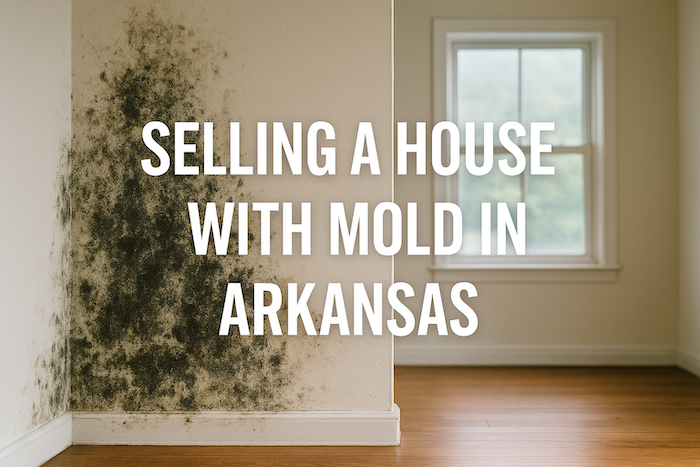
When mold shows up in a home, it can feel like the walls are closing in. Many Arkansas sellers reach this point and wonder if anyone will buy the place. The good news is yes, you can sell a house with a mold problem in Arkansas, and you have more options than you think. This guide walks you through what causes mold here, how it affects value, what the law expects from you, and the simplest ways to move forward without getting stuck.
Can you sell a house with a mold problem in Arkansas?
Yes, you can. Mold feels overwhelming, yet it does not stop you from selling a home in Arkansas. The key rule is honesty. If you know there is mold, it is safer to tell buyers upfront, so nothing comes back later.
Arkansas does not force every seller to give a full written disclosure. Even so, most buyers work with agents, and those agents use disclosure forms that ask about leaks, moisture issues, and any known mold. Buyers expect clear information, and inspectors will check everything anyway.
Once sellers understand this, they usually relax. Mold does not block a sale. It simply shapes the way you sell, and it guides the steps you take from here.
Why mold scares buyers in Arkansas
Mold stresses buyers because it signals moisture problems, and it hints at hidden damage. In our Arkansas climate, warm weather, crawlspaces, and older ventilation can let moisture build up quickly. When buyers see mold, they worry the house may have deeper issues waiting under the surface.
Health concerns add even more pressure. Mold can trigger allergies, breathing problems, and irritation for people who are sensitive. Many families see it as a safety issue, so they move carefully when they spot it in a home.
Money plays a role too. Buyers know an inspector will flag mold, and most lenders want the moisture source fixed before approving a loan. That means buyers fear delays, extra costs, and the chance that the sale could fall apart. This is why homes with mold often take longer to sell unless you already plan for it.
First confirm the mold problem
Before you decide how to sell, you need to know what you are dealing with. Some mold is light and easy to handle, and some points to a bigger moisture issue that will matter to buyers.
Start by checking the common signs. Look for dark spots on walls, ceilings, and baseboards. Notice any musty smell, especially in bathrooms, laundry areas, attics, or crawlspaces. Think about any past leaks or water events, even small ones, because mold often follows old moisture.
If the problem looks minor, you can usually identify it yourself. If it looks widespread, or if you see staining that keeps returning, it is wise to bring in a professional. A simple inspection report gives you clear proof of what is happening, and buyers trust documentation more than guesses.
As you confirm the issue, take photos and save any notes or reports. Clear information helps you choose the right selling strategy, and it also builds trust with the next buyer.
Your main options to sell a house with mold in Arkansas
Once you understand the size of the mold problem, you can choose the path that fits your timeline, budget, and comfort level. Most sellers land in one of three lanes.
Fix the mold before listing
This works when the issue is mild or moderate, and when you have enough equity or savings to handle repairs. A typical plan includes repairing the leak or moisture source, drying the area, doing a proper remediation, and sometimes getting a clearance test. This route lets you list the home at top value, but it takes time, money, and coordination with contractors.
Sell as is with full disclosure
Many sellers choose this option because it is simple. You tell buyers what you know, allow them to see the condition, and let them decide. Cash buyers and investors often prefer these homes because the work no longer scares them. Selling as is does not remove your responsibility to be honest, but it removes the need for repairs.
Offer a credit or adjust the price
Some sellers take a middle path. Instead of fixing everything, they let buyers handle the remediation and offer a price reduction or credit at closing. This approach works best when the problem is real but not severe, and when the house is still attractive to normal buyers.
Each option works. The right choice depends on how quickly you want to sell, how much you want to invest in repairs, and how much stress you are willing to carry.
Understanding Arkansas rules on mold disclosure
Arkansas does not force every seller to use a state issued disclosure form, yet honesty still matters. If you already know about a mold problem, it is safer to share that information than to hide it. Clear disclosure protects you from future claims and keeps the sale on stable ground.
Most buyers use real estate agents, and those agents rely on detailed disclosure forms. These forms ask about leaks, water damage, past flooding, and any known mold. Even if you sell your home yourself, it is smart to follow the same standard. Buyers expect transparency, and they will bring an inspector who will confirm anything you try to cover.
The safest approach is simple. Share what you know in writing, explain how long the problem has been there, and mention any steps you have taken to address it. Do not paint over mold or try to mask it. That creates more trouble later and damages trust.
When you stay upfront, buyers relax, negotiations stay smoother, and you avoid surprises that can kill a deal.
How mold affects price and time to sell
Mold changes how buyers see your home, and it often changes the offers you receive. Most buyers assume mold means extra work, extra cost, and possible hidden damage. That worry alone can push the price downward.
Retail buyers usually want the mold removed before closing. They know an inspector will flag it, and their lender may require repairs before approving the loan. This adds time, and it can stretch the process longer than most sellers expect. Even small mold issues can create delays if the buyer’s financing depends on a clean inspection.
Homes with mold also face a smaller buyer pool. Handy buyers, investors, and cash buyers are usually more open to the condition, but traditional buyers tend to step back quickly. Fewer buyers often means longer days on market and more negotiation pressure.
None of this makes your home unsellable. It simply means mold becomes part of the price and timeline. When you plan for it upfront, you protect your position and avoid surprises.
Fix it or sell as is. How to decide
When you discover mold, the first big question is whether to fix it or sell the home as is. The right choice depends on your timeline, your budget, and how much stress you want to take on.
Start with the size of the problem. Light mold in a bathroom or a small damp spot in a crawlspace is usually simple to handle. Bigger areas, strong odors, or returning stains often mean the moisture source is still active, which can turn into a larger project.
Next, look at cost. A small cleanup may only take a few hundred dollars, while full remediation and repair work can climb much higher. If you have equity and time, fixing the issue can help you sell at a higher price. If the damage is extensive, investing that much money may not make sense, especially if you need to move quickly.
Finally, think about your timeline and energy level. Repairs take coordination and patience. Selling as is skips all of that, and it often leads to a faster and simpler closing. Sellers who want less stress usually lean toward the as is route, while sellers aiming for top retail price lean toward repairs.
There is no wrong choice. The best path is the one that fits your situation and helps you move forward without extra pressure.
Selling a mold problem house as is to a local buyer
When you sell a house as is, you skip repairs, skip contractor scheduling, and skip lender requirements. You simply show the home in its current condition, disclose what you know, and let the buyer factor the mold into their offer. This route appeals to many sellers because it feels straightforward and quick.
Local cash buyers and investors handle mold often, so they move through the process with less hesitation. A typical sale starts with a phone call or a short form on their site. After that, the buyer does a quick walk through, then gives you an offer that already accounts for the mold and any needed work. You decide if it works for you, and the process moves to closing.
There are no repairs, no surprises from inspectors, and no waiting for loan approval. The closing happens at a title company, and you get a clear timeline from the start. For sellers who want a clean break, this option removes most of the friction and helps them move forward without delay.
Preparing your mold problem house to show safely
Even when you plan to sell as is, a little preparation helps buyers feel more comfortable. You are not hiding the mold. You are simply making the home easier to walk through and easier to evaluate.
Start by increasing ventilation. Open windows when possible, run fans, and use a dehumidifier if you have one. Clean up clutter so buyers can see the walls, floors, and corners without distraction. Good airflow and open space make the home feel calmer, even with visible issues.
If you already know where the mold is, do not cover it. Instead, make sure the area is safe to view. Wipe loose dust, pick up items around the spot, and keep pets or children away from that space during showings. Visible honesty builds trust fast.
A simple step like airing out the home or running a dehumidifier can help ease concerns. Buyers understand that mold happens, especially in Arkansas, but they appreciate a seller who keeps the home clean, safe, and easy to inspect. This sets the right tone for negotiation and leads to a smoother experience for everyone.
When you should not ignore mold
Some situations call for immediate attention, even if you plan to sell the home as is. Mold can grow fast, and certain signs tell you the problem is more serious than it looks.
If you see heavy growth, dark staining across wide areas, or mold returning soon after you clean it, the moisture source is still active. Strong odors, soft spots in walls or floors, or visible water damage also point to deeper issues that can affect safety. In these cases, getting a professional to look at the situation is the wiser move.
Health symptoms matter too. If anyone in the home is experiencing coughing, headaches, irritated eyes, or breathing trouble, it is better to address the mold sooner rather than later. Even light sensitivity can feel serious when someone is already dealing with allergies or asthma.
There are moments when fixing the moisture source, even in a basic way, is the safest choice before bringing in any buyer. You do not need a full renovation. You simply need to stop active leaks or drainage problems so the home is safe to walk through.
Paying attention to these warning signs protects you, protects future buyers, and helps the sale move forward without unnecessary risk.
Frequently Asked Questions
Yes, you can. Mold does not stop a sale. You just need to be honest about what you know and let buyers evaluate the condition for themselves.
If you know about it, yes. Clear disclosure protects you from future problems, and buyers will discover the issue during an inspection anyway.
Most lenders want the moisture source fixed before closing. Light mold may pass, but widespread issues usually require repairs. Cash buyers are more flexible.
Not always. If you sell as is, the buyer may handle the remediation. Your job is to disclose what you know and keep the home safe to walk through.
Many cash buyers can close in a few weeks because there is no loan process, no repair requirements, and no delays from inspections that block financing.
How we help Arkansas homeowners sell mold problem houses
If you feel stuck with a house that has mold, you are not alone. Many Arkansas sellers reach out because the repairs feel overwhelming, the timeline feels tight, or the idea of listing the home on the open market feels stressful. We buy houses as is, including homes with mold, moisture issues, and other repairs that keep normal buyers away.
Our process is simple. You tell us about the house, we take a look at the condition, and we give you a straightforward offer that already accounts for the mold. There is no pressure, no long checklist, and no need to repair anything before closing. You choose the timeline that works for you, and we close at a local title company.
Our goal is to make the path forward clear, even when the house feels complicated. You get honesty, privacy, and a clean closing without surprises. If you want to explore your options or request an offer, you can reach out anytime.