
Key Takeaways:
- Act early because your options shrink the longer you wait
- Know what happens at 30, 60, and 90 days behind
- Contact your lender before missed payments pile up
- Use short-term budgeting and income boosts to stabilize things
- Selling early often protects your equity and credit better than delaying
- Cash buyers can provide a fast, certain exit if you need immediate relief
Table of Contents
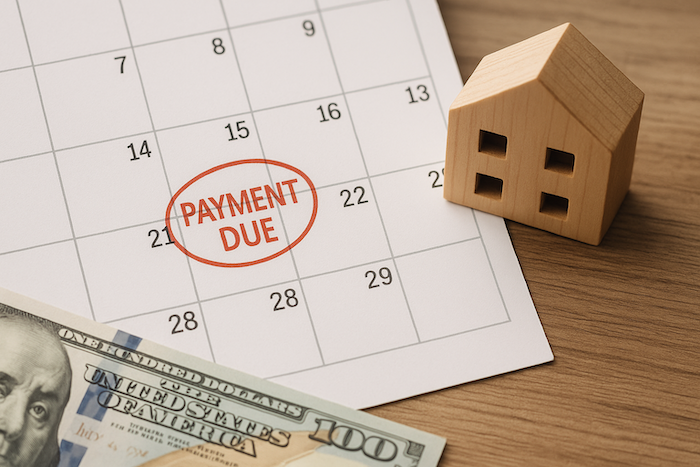
Falling behind on your mortgage can feel overwhelming, but it’s not too late to turn things around. The key is acting early. This guide walks you through what being past due really means, what to expect in the first 30–90 days, and the practical steps you can take right now to protect your home, your credit, and your peace of mind. Whether you’re a little behind or starting to feel the pressure, you’ll know exactly what to do next.
What It Means to Be Behind on Mortgage Payments
Being behind simply means you’ve missed a due date, but not all “late” situations are the same. A payment that’s a few days past due usually only triggers a late fee. Once you pass 30 days, the mortgage is officially reported as delinquent, which can affect your credit and prompt the lender to reach out. If the missed payments continue, you move into early pre-foreclosure territory. Understanding these stages helps you know how urgent your situation is and what actions to take before things escalate.
Early Warning Signs You’re Slipping Into Trouble
Most homeowners see clues before missing multiple payments. You might find yourself making partial payments, juggling bills, or letting late fees stack up. Your credit card balances may creep higher because you’re covering gaps with debt. You may also start receiving more frequent letters or calls from your lender. These early signals matter because they show you’re trending toward a point where catching up becomes harder. Spotting the pattern now gives you the best chance to steady things before real damage begins.
What Happens at 30, 60, and 90 Days Behind
30 days behind: You’ll get a late fee, and the missed payment may be reported to credit bureaus. Lenders usually send a reminder and may start calling to check in.
60 days behind: You’re now two payments past due. Credit impact increases, fees stack up, and lender contact becomes more frequent. You’re officially considered “delinquent.”
90 days behind: This is the point where pre-foreclosure risk starts. The lender may send a formal notice of default depending on the timeline in your state. At this stage, catching up becomes harder, and ignoring the problem can quickly lead to foreclosure proceedings.
Knowing these checkpoints helps you act before the process accelerates.
First Actions to Take Immediately
Start by reviewing your mortgage statement so you know exactly what you owe, including late fees. Then call your lender. Early communication almost always leads to better options. Ask about hardship programs and what solutions they can offer based on your situation. Pause any automatic drafts to avoid accidental overdrafts, and take a quick look at your 30-day budget to see what you can temporarily cut. If your income has changed, document it clearly. These simple steps give you control and open the door to practical relief options.
Options the Lender Can Offer You
Most lenders would rather work with you than foreclose. When you call, ask about:
- Repayment plan – You keep making your regular payment plus a small extra amount each month until you’re caught up.
- Forbearance – Payments are paused or reduced for a set time while you recover from a hardship.
- Loan modification – The lender changes your loan terms (rate, length, or structure) to make payments more affordable long term.
- Deferring missed payments – Past-due amounts get moved to the end of the loan or handled in a separate payment later.
Ask them to explain each option in writing so you can compare and avoid surprises.
Financial Fixes You Can Try on Your Own
Small adjustments can buy you time and breathing room. Start by cutting non-essential spending for a month. Pause subscriptions, reduce dining out, and avoid impulse purchases to free up quick breathing room. If you have multiple debts, ask lenders for temporary hardship adjustments to lower payments. Consider picking up short-term income boosts like overtime, part-time work, or selling items you no longer need. You can also look into local or nonprofit assistance programs for utilities or housing support. These moves won’t solve everything, but they can stabilize your budget long enough to catch up or make a clear plan forward.
When Selling the Property Becomes the Smartest Option
Sometimes the math just doesn’t work, no matter how hard you try to catch up. If your income has dropped for the long term, you’re using credit cards to cover basics, or you’re more than 60–90 days behind with no realistic way to recover, selling may actually protect you. Selling before foreclosure usually means fewer fees, less damage to your credit, and more money in your pocket than waiting until the last minute. It’s not “giving up”. It’s choosing a clean reset instead of letting the situation spiral.
How a Cash Buyer Helps When You’re Behind on Payments
If you need a fast, simple way out, a cash buyer can stop things from getting worse. There’s no waiting for bank approvals, inspections, or repairs. You get a firm offer quickly and can close in days, which helps you avoid more late fees, credit damage, or the risk of slipping into foreclosure. It’s a straightforward path that gives you certainty and lets you move on without the usual delays or stress.
Arkansas-Specific Note
Arkansas uses a non-judicial foreclosure process, which means things can move faster here than in many other states. Once you fall behind long enough, the lender can start the process without going through the courts. That’s why early action matters even more. If you’re already receiving official notices, or you think you might be close, you can check out the full step-by-step foreclosure guide for Arkansas to understand the timeline and your options.
Common Mistakes to Avoid
- Ignoring lender calls or letters. Silence makes things worse and limits your options.
- Skipping payments without talking to the lender. Communication can unlock solutions you didn’t know you had.
- Waiting until foreclosure starts. Early action keeps fees, stress, and credit damage lower.
- Using high-interest loans or credit cards to “catch up.” This often digs a deeper hole.
- Assuming the situation will fix itself. A clear plan beats hope every time.
- Avoiding these missteps gives you a much better chance of turning things around.
Frequently Asked Questions
Most lenders begin serious action around 90 days past due, but timelines vary. Early communication can delay or prevent that process.
Typically yes. Once a payment is 30 days late, it can be reported to credit bureaus and may cause a noticeable drop.
Yes. You can sell at almost any stage before the foreclosure is finalized. Selling early usually puts more money in your pocket.
Often yes. Lenders prefer cooperation and may offer temporary relief or restructuring options if you reach out early.
You may be able to do a short sale. The lender agrees to accept less than the balance owed, avoiding foreclosure for both sides.
Final Takeaway
Falling behind on your mortgage is stressful, but early action gives you the most control. Simple steps like talking to your lender, reviewing your budget, and exploring your options can keep things from spiraling. And if keeping the home no longer makes sense, selling before foreclosure protects your credit and your equity.
If you’re an Arkansas homeowner and want a fast, straightforward option, you can call Paranova Property Buyers or fill out the form below to get a no-obligation offer. I’ll walk you through your options and help you move forward with confidence.