
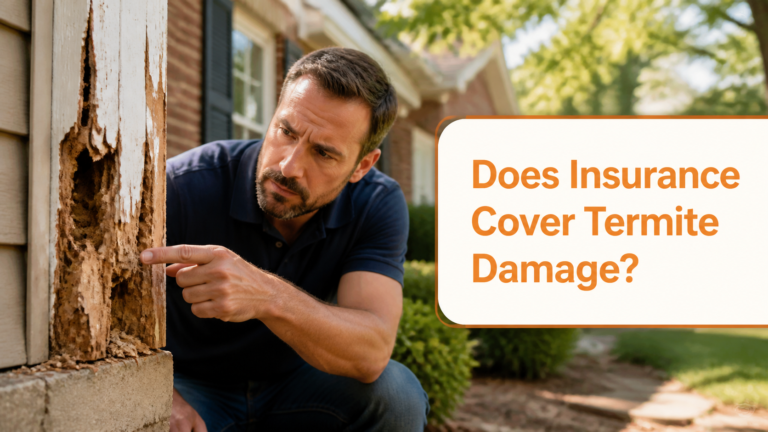
Common Termite Warning Signs
The University of Arkansas System Division of Agriculture explains in its subterranean termite guide that Arkansas property owners may see mud tubes and winged swarmers, while damage can develop slowly inside wood.
Watch for:
- narrow mud tubes on foundations, piers, walls, or plumbing paths
- groups of winged insects emerging indoors
- piles of equal-sized discarded wings near windows or doors
- wood that sounds hollow or breaks along thin layers
- blistered paint or surfaces that look water-damaged
- unexplained soft trim, sagging floors, or sticking doors
One sign does not prove the full extent. Ants can be mistaken for termites, and moisture can create similar damage. Do not tear into structural areas before a qualified inspection.
Why Damage Can Stay Hidden
Subterranean termites travel between soil and wood and can remain behind walls, under floors, or in crawlspaces. Visible damage may be only part of the problem.
Moisture, wood-to-soil contact, leaks, damaged crawlspace vents, and old untreated repairs can increase concern. Fixing only the visible board without addressing active insects and moisture can leave the cause in place.
Does Homeowners Insurance Pay?
Often, standard coverage excludes insects, vermin, deterioration, or maintenance-related damage. But the actual policy wording and cause control.
For example, a policy may treat long-term termite damage differently from a sudden covered event that happens to involve already weakened wood. Do not assume either approval or denial from a general article.
Take these steps:
- Photograph the condition before disturbing it.
- Prevent immediate injury or added water damage.
- Read the exclusions and duties in the policy.
- Call the insurer or agent promptly.
- Ask for the coverage decision and reason in writing.
- Keep inspection, treatment, and repair records.
An exterminator can identify insects and recommend treatment. The insurance company decides coverage. A contractor or engineer may be needed to define structural repair.
Treatment and Repair Are Separate Jobs
Treatment addresses active termites and future control. Repair addresses damaged wood, finishes, or structure. One contractor's treatment quote may not include opening walls or rebuilding framing.
Ask:
- Is there active infestation or old damage?
- What areas were inspected and not inspected?
- What treatment is proposed?
- Is there a service agreement or warranty?
- Who will determine the repair scope?
- Will follow-up inspections be needed?
Arkansas pest-control firms are regulated through the Arkansas State Plant Board. Verify the company and keep the written report.
What If You Plan to Sell?
You can often sell a house with termite history or damage, but buyers may ask for an inspection, treatment, repair, clearance letter, price reduction, or different financing.
Do not cover damage to make it hard to see. Give known reports and invoices to the agent, buyer, title company, or attorney and ask how the information should be handled.
Our guide to termite treatment and clearance before closing explains that sale-stage issue. This article focuses on recognizing damage and understanding insurance.
Repair First or Sell As-Is?
Repairing may help if the scope is clear, the cost is manageable, and the house can return to normal financing. Selling as-is may fit when damage is extensive, access is difficult, the owner cannot manage contractors, or other repairs are present.
Compare the treatment, structural work, opening and closing walls, permits, temporary housing, and holding time with the likely added sale value. A direct as-is buyer will still account for uncertainty in the offer.
How Paranova Can Help
Paranova Property Buyers can look at a Central Arkansas home with known or suspected termite damage and explain a direct as-is option. Andrew cannot determine insurance coverage or certify treatment. Bring any reports you have, but you do not need to complete every repair before asking for an offer.